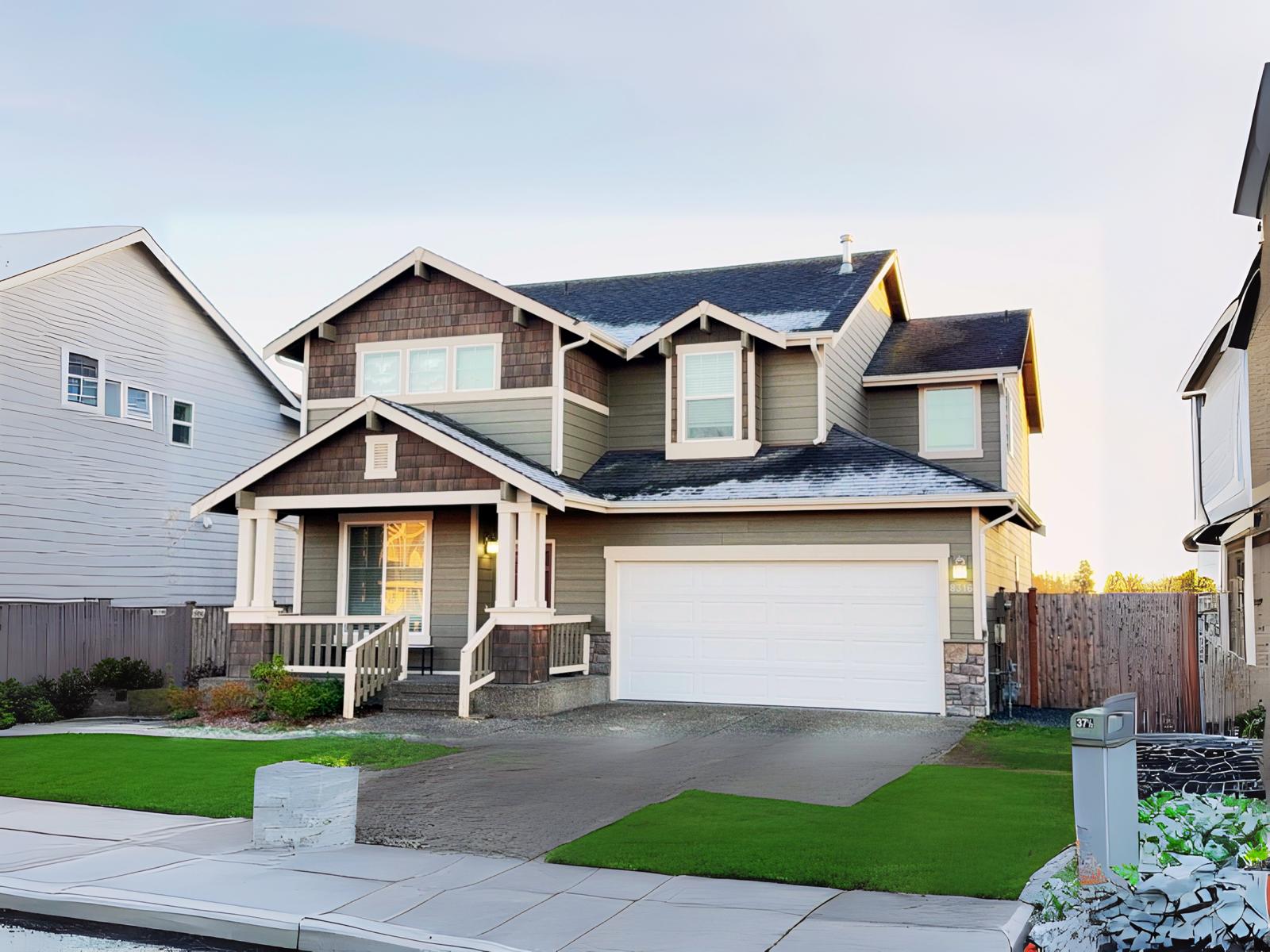

When a young adult with developmental disabilities is ready for a more independent living setting — or needs more support than the family home can safely provide — families often look for something that is smaller than an institution and warmer than a clinical placement. In Washington, a licensed Adult Family Home (AFH) can be that middle ground: a real house, up to six residents, and support shaped around daily life.
Why young adults often do better in a small Adult Family Home
Young adulthood is a season of practice. People practice cooking, hygiene routines, appointments, friendships, decision-making, and community participation. Those skills grow faster when the environment is steady and personal.
A six-bed Adult Family Home can offer:
- Familiar staff who learn communication style, preferences, and pace
- Household routines that feel like real life, not a program schedule alone
- Room to try new responsibilities with coaching nearby
- Less overwhelm than large congregate settings for people who need calm structure
- Belonging — shared meals, shared spaces, and relationships that can deepen over time
That does not mean every AFH is the right AFH. Homes vary widely in the populations they serve. Families should specifically ask whether the home supports adults with developmental disabilities and how independence goals are built into the day.
What developmental disabilities care can look like day to day
Strong residential support is not only “supervision.” It is purposeful help that builds capacity. In a well-run AFH, a typical week may include:
Everyday living skills
Personal care, laundry, room upkeep, meal participation, medication reminders when needed, and the small habits that make a day feel orderly and dignified.
Independence at a comfortable pace
Some residents need more coaching with mornings. Others are ready for community errands, social activities, or vocational goals. The plan should follow the person — not force everyone into the same timeline.
Community life
Appointments, shopping, parks, local activities, and outings that keep a young adult connected to Marysville and nearby communities instead of isolated inside the house.
One-to-one connection when it matters
Because the home is small, staff can notice mood changes, celebrate progress, and offer focused attention during hard moments without the person getting lost in a crowd.
DDA coordination and professional referrals
Many young adults with developmental disabilities have a Developmental Disabilities Administration (DDA) case manager or other professional supports involved. A good Adult Family Home works with that team. Families and guardians should ask:
- How do you coordinate with DDA case managers and guardians?
- How are goals written, reviewed, and reflected in daily routines?
- How do you communicate progress and concerns?
- What happens if support needs change after move-in?
If state funding is part of the plan, talk early with the case manager about assessments, eligibility, and which homes may be appropriate matches. Placement works best when clinical information, funding pathway, and home culture are aligned.
Questions to ask on a developmental disabilities AFH tour
- What ages and support profiles do you currently serve?
- How do residents practice independence during mornings, meals, and evenings?
- What community activities or skill-building opportunities are realistic here?
- How do staff respond when someone needs more time, more prompting, or more quiet?
- How are roommates matched, and how is privacy respected?
- How do families stay involved after move-in?
Listen for concrete examples. A provider who can describe real routines and real coaching moments is usually better prepared than one who only offers generic promises.
Signs the home may be a strong match
Positive signals
- Staff speak about residents with dignity and specificity
- The day includes both support and genuine choice
- Skill-building shows up in kitchens, living rooms, and community settings
- The provider asks about goals, not only diagnoses
- The house feels calm, clean, and lived-in
Caution signals
- No clear plan for teaching everyday skills
- Residents seem idle, rushed, or overlooked
- Answers stay vague about staffing and routines
- Little interest in DDA / family collaboration
- Pressure to decide before you understand fit
Marysville and Snohomish County: why location matters
For many families, staying close to Marysville, Everett, Lake Stevens, Arlington, Snohomish, Smokey Point, or Tulalip makes visits easier and keeps medical, social, and family connections intact. Location is not the only factor — but a good home nearby can reduce stress for everyone involved.
GuaranteeCare is a licensed six-bed Adult Family Home in Marysville focused on young adults with developmental disabilities and adults who need structured behavioral health support. Our developmental disabilities path emphasizes everyday skills, community participation, and relationships that help independence feel possible.
How to take the next step
Start with a written picture of the person’s strengths, support needs, and goals. Tour more than one home. Compare notes the same day. Then talk with the case manager or guardian team before you finalize.
If you want to see how developmental disabilities care works inside a small licensed home, you are welcome to tour GuaranteeCare and ask direct questions about fit.
Explore developmental disabilities care at GuaranteeCare
Learn how our Marysville Adult Family Home supports young adults 18+ — then request a visit when you are ready.