
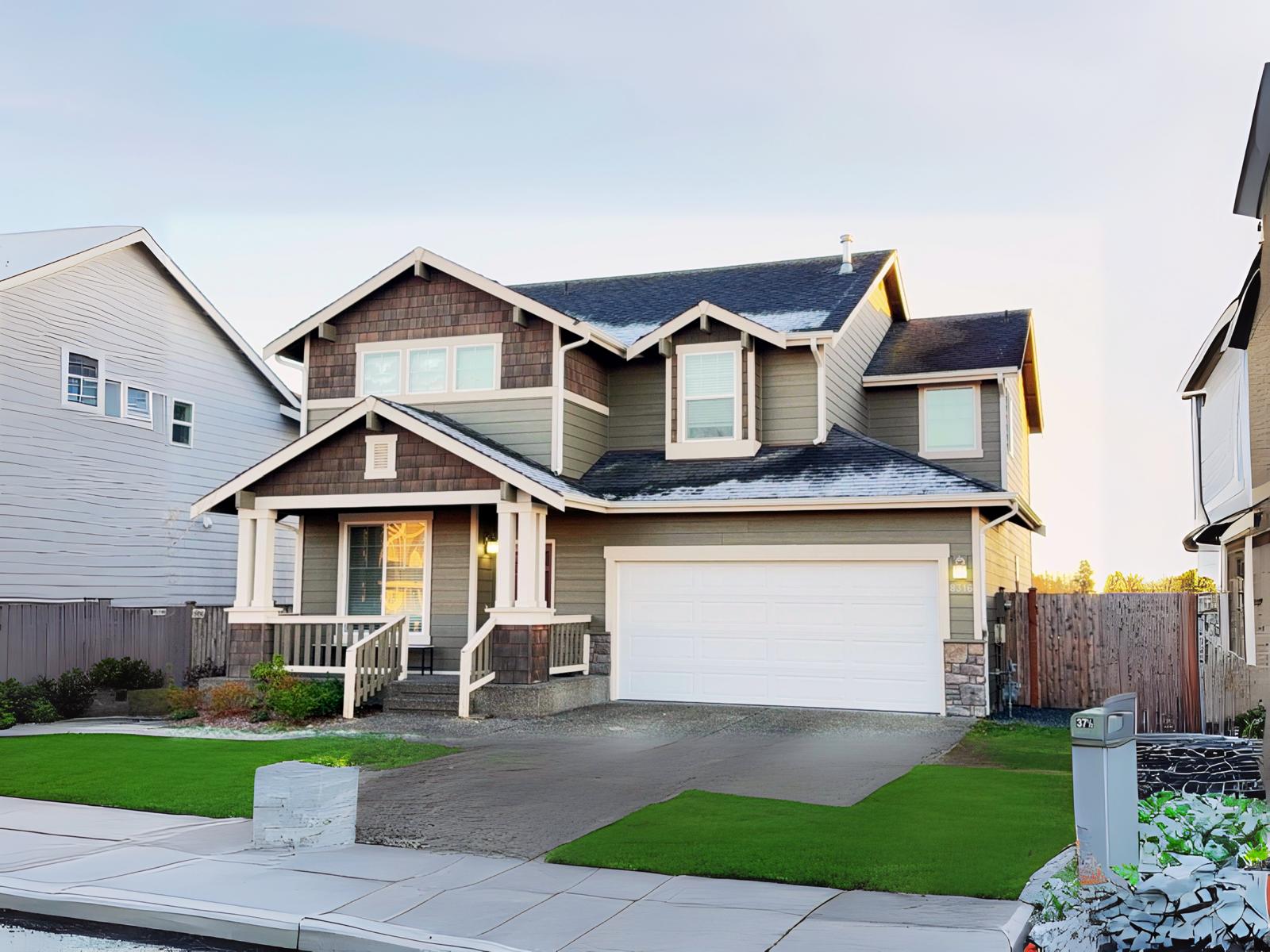
Choosing residential care is one of the most important decisions a family can make. In Washington, many families look at Adult Family Homes because they want something smaller than a large facility — a real house, familiar faces, and care that still feels like home. This guide walks through what an Adult Family Home is, who it fits, and how to compare options with confidence.
What is an Adult Family Home in Washington?
According to the Washington State Department of Social and Health Services (DSHS), an Adult Family Home (AFH) is a licensed residential home that provides housing and care for up to six adults who are not related to the provider. AFHs sit in regular neighborhoods. Residents typically receive room and board, supervision, help with activities of daily living, personal care, and social support inside a house — not a hospital wing or a large institutional campus.
That six-person limit is not a marketing slogan. It is the legal maximum for this license type, and it is one reason families choose AFHs when they want more individual attention, quieter days, and relationships that can grow over time.
AFHs are licensed and regulated. That matters. Before you tour, confirm the home is currently licensed and review publicly available inspection and complaint information through DSHS Residential Care Services resources. A warm welcome on a tour is important — and so is a clean licensing record and clear answers about staffing.
When an Adult Family Home is often the right fit
An AFH is not automatically the best option for every person. It tends to work especially well when:
- The person needs daily support but thrives in a small, home-like setting
- Families want staff who can learn preferences, routines, and personality — not just a task list
- The person benefits from consistent people and a predictable daily rhythm
- Support needs include developmental disabilities, behavioral health structure, personal care, or medication assistance within what the home is licensed and contracted to provide
- Proximity to family in places like Marysville, Everett, Lake Stevens, Arlington, Snohomish, Smokey Point, or Tulalip matters for visits and continuity
Some AFHs focus on older adults. Others specialize in younger adults, developmental disabilities, dementia care, or complex behavioral health supports. Ask specifically about the population the home serves. A “good home” that serves a different group than yours may still be the wrong fit.
A clear process for choosing an AFH
1. Clarify the person’s real needs
Before you call homes, write down what support looks like on a typical day and on a hard day. Include mobility, personal care, medication, overnight needs, communication style, interests, triggers, and goals (independence, community activities, quiet routines, vocational skills, and so on). Bring notes from doctors, case managers, or hospital discharge planners when you can.
If a DSHS, DDA, or HCS case manager is involved, ask what funding pathway and assessment information will shape placement. Families often move faster when clinical and funding details are already organized.
2. Build a short list of licensed homes
Use the DSHS long-term care residential options and Adult Family Home locator tools to find licensed homes in your target cities or ZIP codes. Filter for location first, then call to ask about openings, population served, and whether the home can meet the person’s support level. Local Area Agency on Aging / Community Living Connections offices and case managers can also help you identify options.
Do not rely on a website photo alone. A listing is a starting point — the tour is where fit becomes clear.
3. Visit more than one home, at more than one time
DSHS consumer guidance is consistent on this point: visit as many potential homes as you reasonably can, and try different times of day when possible. Morning and evening can feel very different. Watch how staff speak to residents. Notice whether the house feels rushed, chaotic, calm, or genuinely welcoming.
Bring a second person if you can. Two observers catch more details — and help you process the visit afterward without relying on memory alone.
4. Ask direct questions about care, staffing, and culture
A tour should leave you with clear answers, not vague reassurances. Strong questions include:
- Who provides care during the day, overnight, and on weekends?
- How do you write and update individualized care or support plans?
- How do you handle medication management and medical appointments?
- What does a typical weekday and weekend look like here?
- How do you support community outings, hobbies, and personal goals?
- How do you communicate with families and guardians?
- What happens if someone’s needs increase after move-in?
- Which state contracts or specialty supports (if any) do you work with?
Listen for specifics. Homes that can describe real routines, real staffing patterns, and real examples of person-centered support are usually better prepared than homes that only say “we treat everyone like family.”
5. Review licensing, inspections, and references
Ask for the license information and review DSHS inspection history. Ask how the home responded to any past citations. Request references from families or professional referrers when appropriate. A provider who welcomes that level of diligence is usually more confident in their operation.
Green flags and red flags on an AFH tour
Green flags
- Staff know residents by name and speak with respect
- The home feels clean, calm, and lived-in — not staged and empty
- You get concrete answers about staffing and routines
- The provider discusses fit honestly, including limits
- Families are welcomed as partners, not interruptions
Red flags
- Pressure to decide immediately without a real tour conversation
- Unclear overnight coverage or vague medication practices
- Residents seem ignored, rushed, or spoken about disrespectfully
- No interest in the person’s goals, preferences, or history
- Defensiveness about licensing questions or inspection history
Funding, Medicaid, and professional referrals
Some Adult Family Homes work with private-pay families. Others also support state-funded placements through DSHS pathways when the person is assessed and approved and the home is an appropriate match. If you are exploring Medicaid-funded residential options, talk early with the person’s case manager about eligibility, assessments, and which homes hold relevant contracts.
At GuaranteeCare, we welcome conversations with families and professional referrers about DSHS-funded pathways — including supports related to developmental disabilities care and complex behavioral health, such as CBHS and Expanded Community Services — when authorization and fit align. The first step is still the same: understand the person, then see whether the home can meet them well.
What “good fit” looks like in a small home
In a six-bed Adult Family Home, fit is not only about square footage. It is about whether staff can notice small changes, celebrate progress, and keep support personal. It is about whether the person can practice independence without being lost in a crowd. And it is about whether family members feel they can call, visit, and collaborate without fighting an impersonal system.
If you are comparing homes in Marysville and nearby Snohomish County communities, pay attention to commute time for family visits, access to appointments, and whether the house culture matches the person’s energy — quiet and steady, socially engaged, skill-building focused, or structured for higher behavioral support needs.
Next step: tour with a checklist, then decide slowly
After each visit, score the home against your written needs list while the details are fresh. Compare no more than a few finalists. Sleep on the decision when you can. The right Adult Family Home should feel like a place where dignity, safety, and belonging can coexist — every day, not only on tour day.
If you want to see what a small, licensed Adult Family Home looks like in practice, you are welcome to tour GuaranteeCare in Marysville. We support young adults with developmental disabilities and adults who need structured behavioral health support, and we are happy to walk through questions with families, guardians, and case managers.
Ready to see a small home in person?
Call (425) 551-7010 or request a visit. Bring your questions — we will answer them honestly.