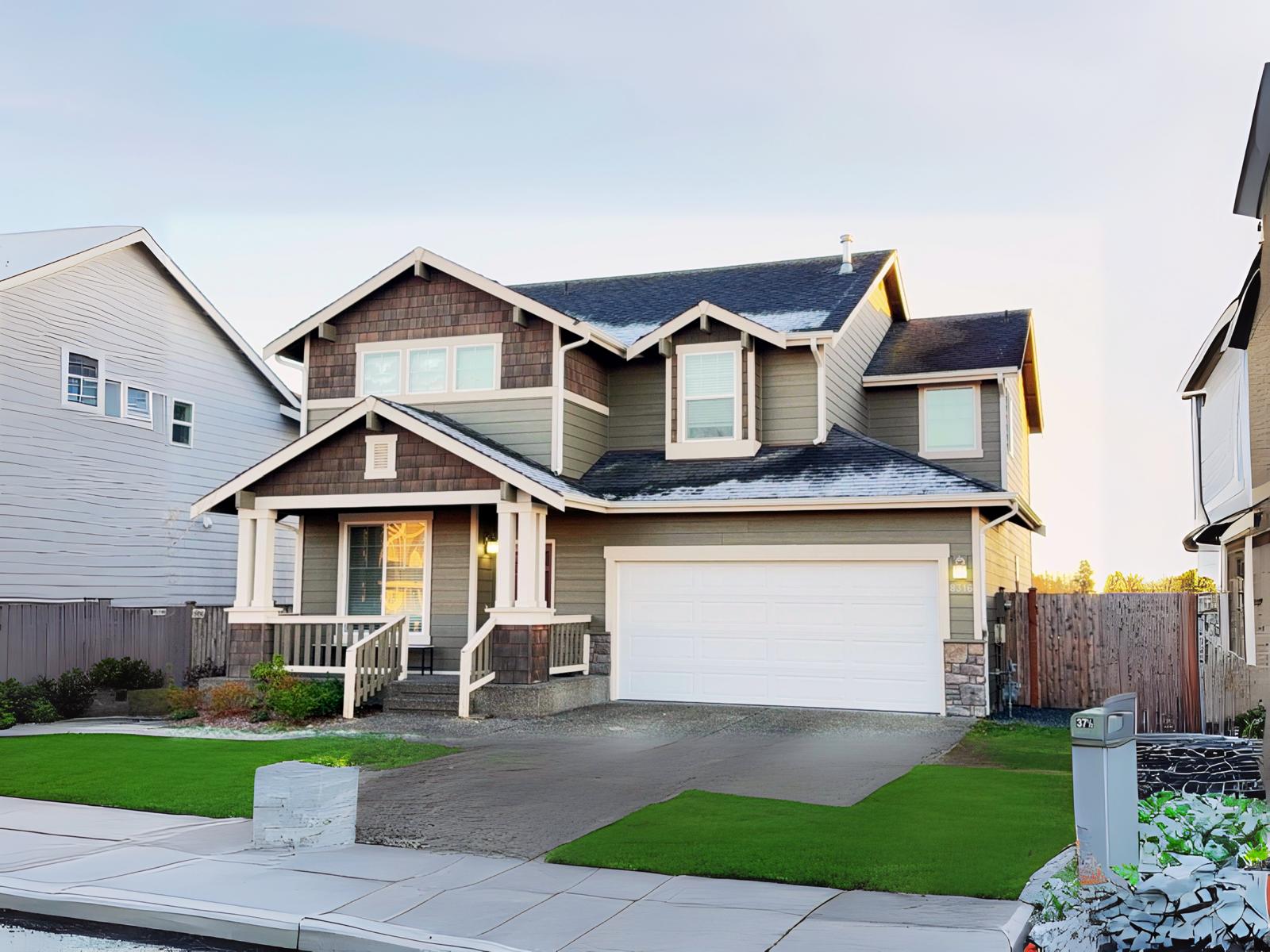

Some adults need more than a friendly house. They need consistent supervision, clear plans, and people who stay steady when behaviors are complex. In Washington, that level of residential support is often discussed through pathways such as Community Behavioral Health Supports (CBHS) and Expanded Community Services (ECS) — and for many people, the right setting is still a licensed Adult Family Home rather than an institution.
Why behavioral health support in a small home matters
Complex behavioral health needs are not solved by louder rules. They are supported by relationships that hold, environments that do not overwhelm, and plans that anticipate hard moments before they escalate.
A six-bed Adult Family Home can help because:
- Familiar staff can notice early changes
- Daily rhythm can stay predictable
- Safety and behavior plans can be followed with consistency
- The person still lives in a house with dignity and belonging
- Families and professionals can collaborate with a smaller care team
Not every AFH is prepared for this population. Families and discharge planners should ask specifically about experience, staffing patterns, and how individualized plans are implemented.
What is CBHS?
Community Behavioral Health Supports (CBHS) is a Washington Medicaid pathway focused on one-to-one supportive supervision for adults with complex behaviors related to a qualifying mental health diagnosis, when the person is enrolled in long-term care services and meets program criteria. Eligibility and authorization are determined by the state — not by a website or a tour conversation alone.
In practical terms, when CBHS is authorized and a home is the right match, families often see:
- Closer supportive supervision through the day
- Individualized planning around the person’s needs and risks
- Consistency through familiar staff and routines
- Support delivered inside a licensed residential setting such as an Adult Family Home
CBHS is not a substitute for clinical mental health treatment. It is residential supportive supervision designed to help a person remain safely supported in a community living setting.
What is ECS?
Expanded Community Services (ECS) is a higher residential support level available in certain contracted settings, including Adult Family Homes. ECS typically includes personal care, medication oversight, 24-hour on-site supervision and response, and behavior support planning developed with the care team — while the person still lives in a house, not an institution.
Families evaluating ECS-related placements should ask about:
- Overnight supervision and response capacity
- Behavior support and crisis / safety planning
- Medication management practices
- How the home coordinates with case managers and clinicians
- What a calm, successful day looks like for someone with complex needs
CBHS and ECS are pathways — the home is still the match
One of the most important distinctions families need is this: CBHS and ECS describe support pathways and service intensity. They do not automatically tell you whether a specific house will feel safe, respectful, or workable for your loved one.
Two homes can discuss the same acronyms and deliver completely different experiences. Always evaluate:
- Staffing consistency
- How plans are actually followed
- Whether the environment reduces or increases distress
- How the provider talks about dignity, not only compliance
- Whether the home is honest about fit and limits
Who this path is often for
Complex behavioral health residential support in an AFH is often explored when:
- Current supports are no longer enough
- A hospital discharge team is looking for a supervised community setting
- The person needs increased structure and safety planning
- A larger facility feels too stimulating or too impersonal
- Case managers are seeking a small home with capacity for individualized plans
Professional referrers — DSHS case managers, hospital discharge planners, guardians, and clinicians — should share a clear clinical picture early so the home can assess whether it can meet the person safely and well.
What to ask on a behavioral health AFH tour
- How do you implement behavior and safety plans day to day?
- What does supervision look like during mornings, evenings, and overnight?
- How do staff de-escalate and reset after a difficult moment?
- How is medication support handled when it is part of the plan?
- How do you communicate with families and the professional team?
- What would make someone not a good fit for this home?
A strong provider can answer the last question. Homes that claim to be right for everyone are rarely prepared for complex needs.
Green flags for structured support that still feels human
Look for
- Calm, specific language about plans and routines
- Respectful talk about residents as people, not cases
- Clear overnight and supervision answers
- Willingness to coordinate with the full care team
- A house atmosphere that feels steady, not chaotic
Be cautious if
- Staffing answers stay vague
- Plans sound generic or copy-paste
- The environment feels overstimulating or unsafe
- Families are discouraged from asking hard questions
- The home avoids discussing limits or escalation pathways
How GuaranteeCare approaches complex behavioral health
GuaranteeCare is a licensed six-bed Adult Family Home in Marysville. Our behavioral health path is built around consistent routines, individualized planning, higher supervision when the plan calls for it, and care inside a real home. We welcome conversations with families and professional referrers about CBHS and ECS pathways when eligibility, authorization, and fit align.
We do not treat acronyms as the whole story. The person comes first. The plan has to work in the house. And the house has to remain a place of dignity.
Next steps for families and referrers
Gather current support needs, recent setting history, and any known CBHS/ECS status. Call or request a visit. Share the clinical picture. Tour the home. Decide together whether GuaranteeCare can meet the person safely and well.
If you also need a broader residential overview, read our guides on choosing an Adult Family Home and comparing AFH vs assisted living — then come back to the behavioral health service details when you are ready for a focused conversation.
Explore behavioral health support at GuaranteeCare
See how CBHS and ECS pathways can work inside a small licensed home — and request a tour when the timing is right.